BPC-157/
Gly-Glu-Pro-Pro-Pro-Gly-Lys-Pro-Ala-Asp-Asp-Ala-Gly-Leu-Val · GEPPPGKPADDAGLV
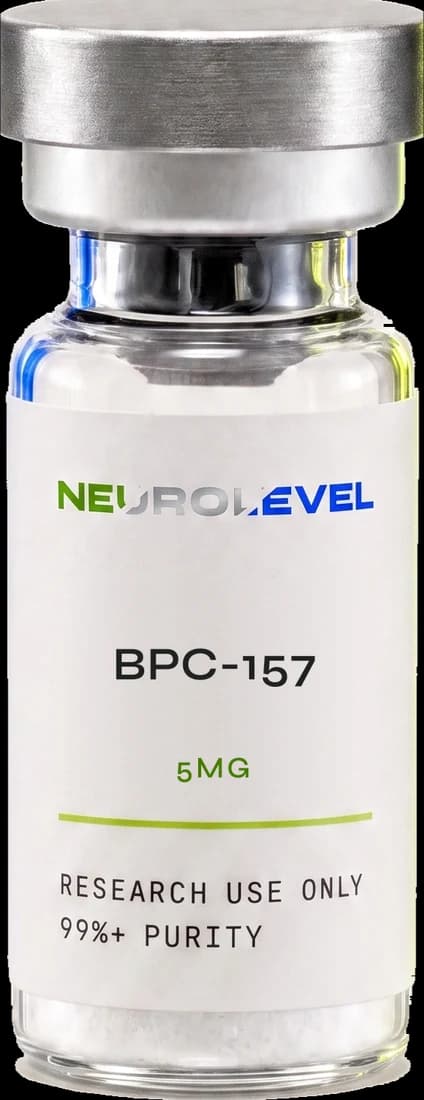
Sheet
- Molecular Weight
- 1419.56 g/mol
- Molecular Formula
- C₆₂H₉₈N₁₆O₂₂
- CAS
- 137525-51-0
- Assayed Purity
- 99%+
- Standard Vial
- 5-10mg lyophilized
- Source
- Domestic · 3rd-party verified
- Storage
- -20°C lyophilized
Mechanism
Pentadecapeptide
Brain-Gut Axis
Angiogenic Signaling
BPC-157 is a synthetic pentadecapeptide (15 residues) derived from a partial sequence of a protein identified in gastric juice. In a published review, BPC-157 was discussed in the context of the central nervous system and brain-gut axis signaling in animal models (Vukojevic et al, 2022, PMID 34380875).
In a separate rodent study, the pentadecapeptide BPC-157 was examined for its effect on hippocampal ischemia/reperfusion injuries (Vukojević et al, 2020, PMID 32558293). The compound is characterized in the literature by angiogenic and cytoprotective activity. For research purposes only.
Questions
BPC-157 is a synthetic pentadecapeptide (15 residues) derived from a partial sequence of a protein identified in gastric juice. In a published review, BPC-157 was discussed in the context of the central nervous system and brain-gut axis signaling in animal models (Vukojevic et al, 2022, PMID 34380875). Referenced for mechanism only; for research purposes only.